-
In late 2025, some of the biggest “gaming” headlines weren’t about a single blockbuster release. They were about platforms changing the rules to match how younger players already behave. Roblox announced stricter age checks and age-based chat groups rolling out globally in early January 2026, a response to intensifying child-safety pressure. AP NewsEpic, meanwhile, has…
-
Have Microtransactions Crossed the Line of Acceptability? What 2025’s Crackdowns and Backlash Reveal
Microtransactions were once framed as a simple trade: pay a little extra for a cosmetic skin, a convenience boost, or a new emote. In 2025, that bargain is under heavier scrutiny than at any point since the “loot box wars” first exploded into mainstream debate—because the argument has shifted from taste (“this is annoying”) to…
-
If you’ve ever felt like a game “noticed” you—matching you into sweatier lobbies right after a few ruthless wins, or quietly smoothing the difficulty when you’re struggling—you’re not imagining a broader trend. What’s changing in late 2025 is that the industry is moving from simple adaptation (classic difficulty scaling and scripted responses) to systems that…

-
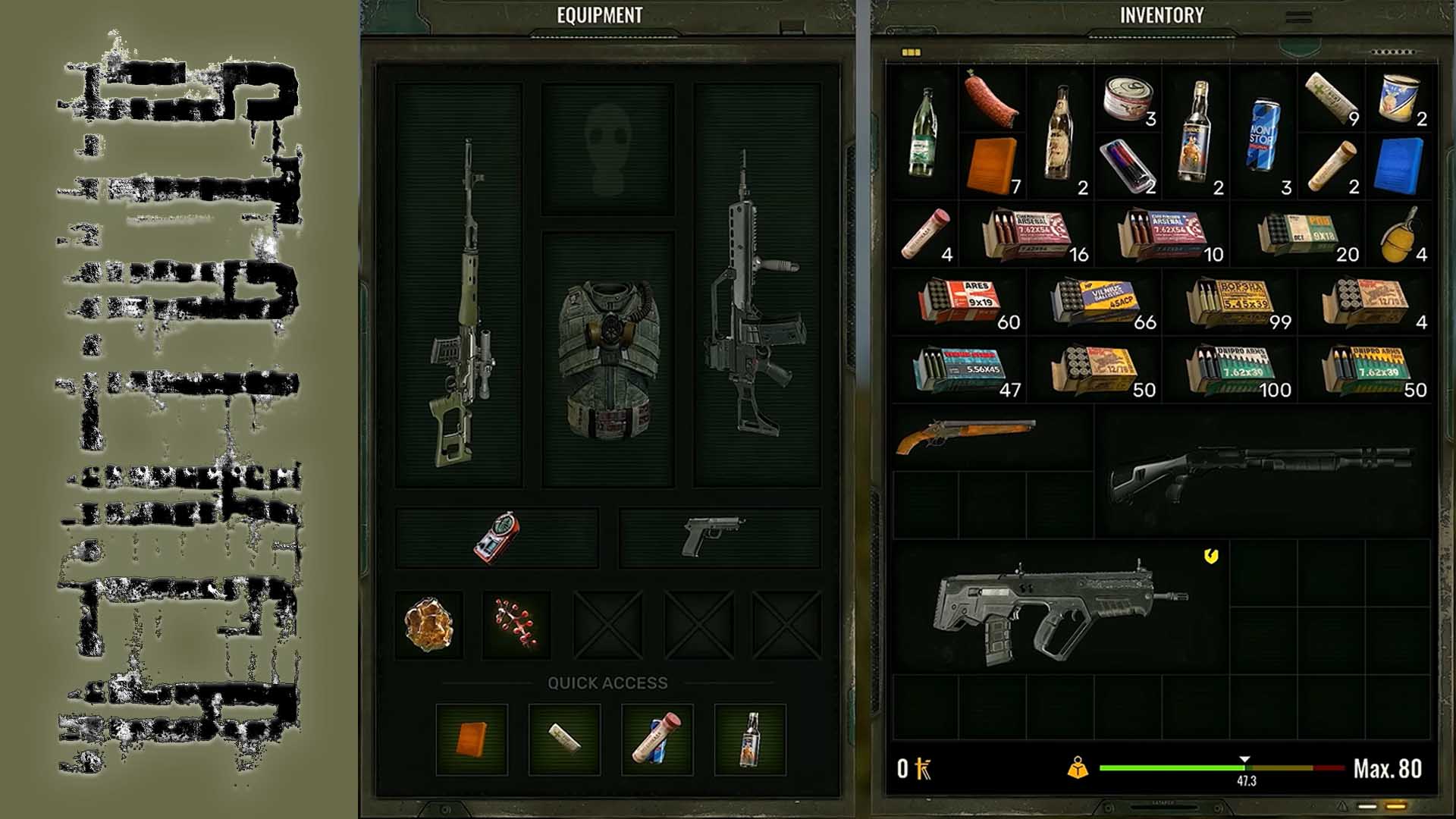
In-depth report: what Patch 1.7.1 fixes—and why it matters now S.T.A.L.K.E.R. 2: Heart of Chornobyl is built around tension: low ammo, harsh anomalies, and the ever-present feeling that one wrong turn can end an expedition. But nothing punctures that mood faster than technical issues—especially the kind you can trigger dozens of times per session. That’s…
-
The big idea: games are moving from “one-size-fits-all” to “you-shaped” For decades, “game AI” mostly meant NPC logic (pathfinding, state machines, combat routines) and difficulty tuning done by hand. Now, a lot of the “intelligence” is shifting toward understanding the player—your habits, risk tolerance, mechanical speed, decision style, even whether you’re a “talk first” or…
-
Open-world design’s toughest problems (and why 2025 made them harder) Open-world games are still some of the most popular titles in the industry—but the definition of “good open world” is rapidly changing. The old pitch (“bigger map, more icons”) is colliding with modern reality: players have crowded backlogs, developers face rising costs, performance expectations keep…